
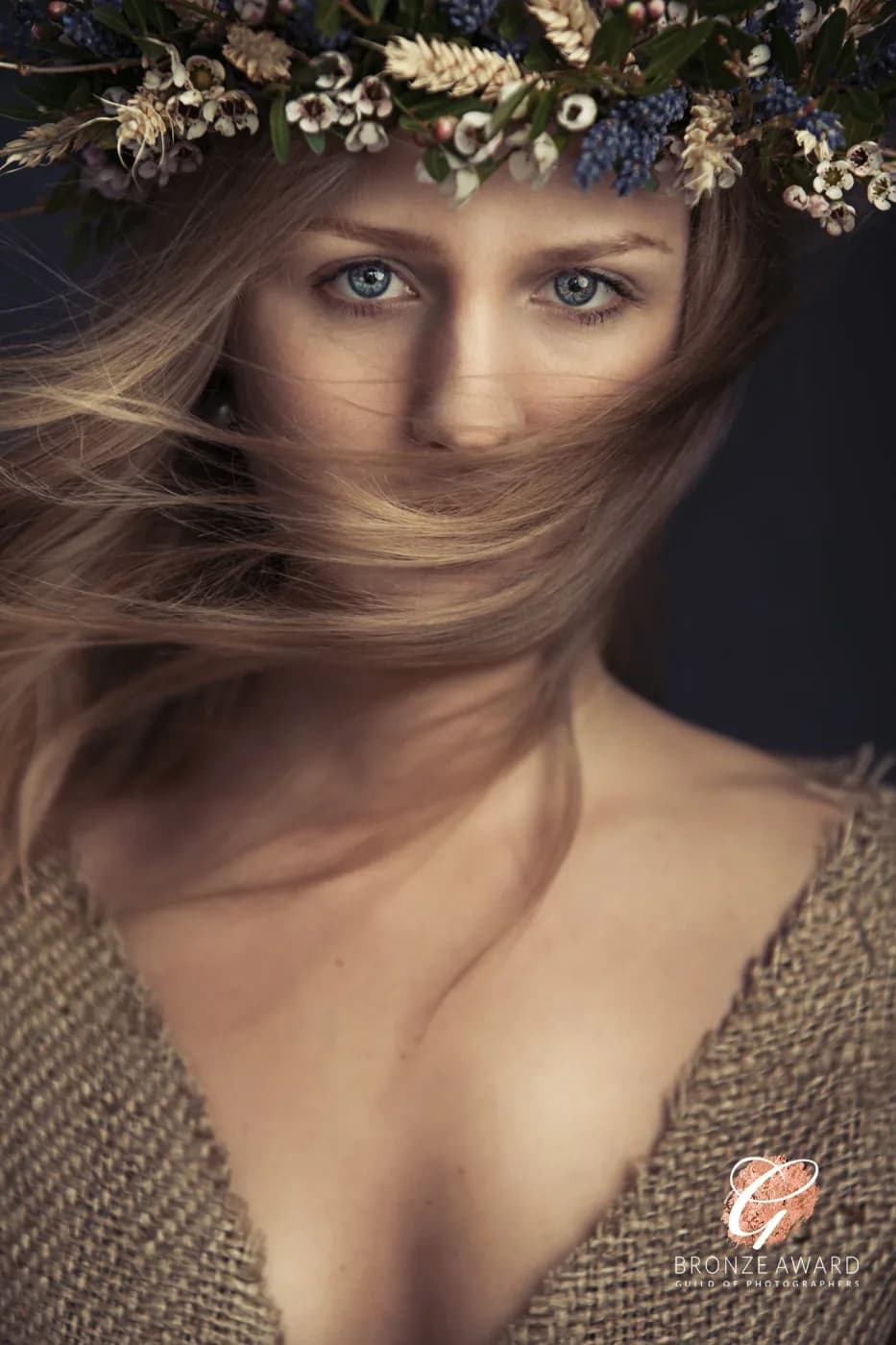
Photography is a language that can't quite be translated. It isn't the same across places, cultures or history — and that is part of what makes it such a wonderful way to express how you see the world and the people in it.
It is as challenging as it is intriguing. You have to read your surroundings: the subject and the background, the light, and what you are trying to say with the frame.
Why backdrops matter
In a photograph the subject is only as strong as the background behind it. A background can make or break the image — it decides whether a shot looks cluttered, clean or genuinely creative. Backdrops can tell a story, add depth, and even give a studio a personality that sets its work apart. The photographic backdrop has been an expressive device since photography became a common artistic medium in the nineteenth century.
Where backdrops came from
We have come a long way since the first camera of 1816. In the early days, photographing outdoors was expensive and sometimes dangerous, so photographers got creative. Victorian studios used hand-painted backdrops much like theatre stage sets, giving them the flexibility to indulge a client's wildest fantasies — driving a car, dressing as royalty, even travelling to space.
As cameras grew cheaper, competition between studios grew fierce. Everyone essentially had the same equipment, so they innovated in the one area they controlled: the backdrop. Studios became like miniature theatre productions, their elaborate painted sets letting ordinary people do the impossible. A famous example is one of the earliest films in history, Georges Méliès' A Trip to the Moon (1902), whose sets were made entirely of hand-painted backdrops to conjure a moon nobody had yet seen.
Backdrops as cultural expression
In the winter of 1999, the Dalhousie Art Gallery in Halifax, Canada held an exhibition titled From the Background to the Foreground: The Photo Backdrop and Cultural Expression. Curated by James Wyman, it gathered hand-painted backdrops, photographs and props from commercial portrait studios across the globe — from countries across Africa to China and India, with material on Black and First Nations communities in the USA, Guatemala and Mexico.
Spanning 1880 to the present, the work traced transitions from colonial regimes to post-colonial self-expression, and how photographic realism was contained — and sometimes contested — in societies once dominated by other forms of visual expression. Best of all, visitors were encouraged to bring their own cameras and make photographs against the backdrops themselves.
Photography and translation
Because photography feels universal, it is also open to misreading. The photographer and researcher Dr Lucy Soutter of the University of Westminster ran into this after her book Why Art Photography? was translated into Chinese in 2016. A friend asked which characters her translator had chosen for the word 'photography' in the title — there were several, each with quite different connotations.
It is a reminder that even with great fluency a single word can shift a meaning, because it can lack the cultural understanding behind it. One might assume a visual medium needs no localisation, but the ideas and explanations around art certainly do. The meaning of art can, and often does, get lost in translation.